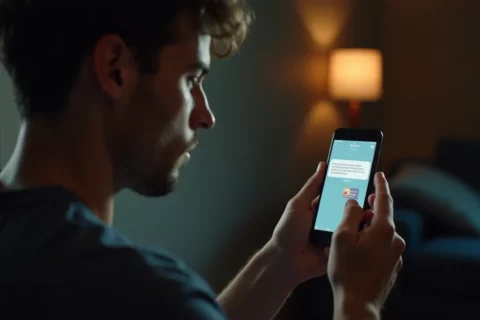
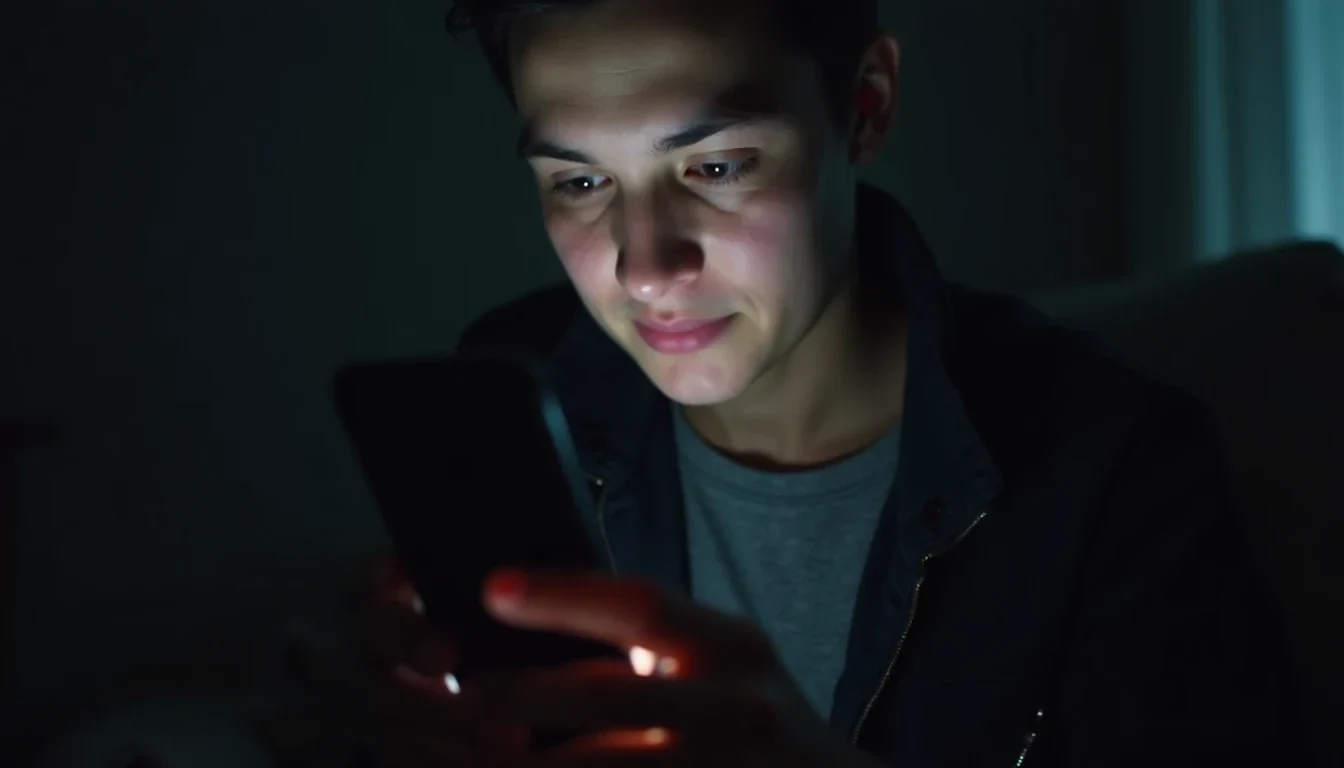
One in eight UK adults who use AI tools now treat them as conversational confidants; among twenty-somethings that figure jumps to nearly one in five. They are not asking for weather forecasts or restaurant recommendations. They are asking whether to end a relationship, how to survive the loneliness of working from home, what to say at their own wedding, and which version of a difficult conversation sounds least cruel. The chatbot has become the third party in the room, except only one of the actual humans knows it is there.
The appeal is clear. A machine answers at 2am when your friend is asleep and your therapist is booked until March. It does not flinch at repetition, does not carry your secrets into other friendships, and does not tire of your indecision. In a country where the average wait for NHS talking therapy stretches past five weeks, and where private counselling costs what many under-thirties spend on rent, the chatbot offers something that feels like care without the barriers of money, time, or exposure. For the 19% of twenty-five- to thirty-four-year-olds in Ofcom’s 2026 study, this is becoming normal.
The friend who never disagrees
The advice is not wrong, but it cannot be properly right.
Every prompt to a large language model is a monologue dressed as dialogue. The user describes a fight, a doubt, a creeping sense that something has gone wrong, and the model responds only to that description. It cannot see the partner’s face during the argument, cannot know the history that neither party mentions anymore, and cannot detect the gap between what is said and what is meant. It has no access to the relationship, only to one person’s account of it.
Worse, the model is optimised for engagement. It is trained to produce responses that keep the conversation going, which means responses the user finds satisfying. Satisfying does not mean challenging. If you frame your partner as selfish or cold, the model has no incentive to push back hard, because disagreement risks ending the exchange. It becomes the friend who always agrees, the one who says “you deserve better” because that is what keeps you typing. The bias in the prompt gets reflected and reinforced, not examined.
This is not hypothetical. Researchers have documented how users seeking emotional support from AI systems receive validation that flatters their existing interpretations rather than complicating them. The model does not know you are omitting your own cruelty in the story you tell. It cannot ask the follow-up a skilled human listener would. It offers the comfort of being understood without the risk of being seen.
The ethics of the invisible third party
When AI enters an intimate exchange covertly, the nature of the exchange itself changes. A wedding speech drafted by ChatGPT and delivered as personal sentiment is a small fraud. A breakup argument rehearsed with a model until every phrase is optimised for impact is a rehearsal in manipulation. The other person believes they are encountering their partner’s unmediated thoughts. They are encountering a composite, part human need and part algorithmic prediction of what will land best.
This raises questions most users do not pause to consider. The intimate details fed into these systems, even if anonymised, become training data for companies operating under jurisdictions with varying privacy protections. The partner whose messages are summarised and analysed has not consented to their private communications being processed by a third party. The user who relies on AI to navigate every difficult conversation gradually outsources the development of their own emotional skills, becoming fluent in prompting but less fluent in vulnerability.
What it actually helps with
The tool is not useless. Used with clear-eyed limits, AI can do genuine work in intimate life. It excels at organisation: structuring a jumble of feelings into coherent sentences before a difficult talk, generating questions to ask yourself when you cannot see past your own urgency, and offering frameworks for decisions that feel paralysing. It is a sounding board that returns your own thoughts in sharper form, not a replacement for the messier business of actual human negotiation.
The distinction matters. A user who treats the chatbot as a notebook that talks back, a way to externalise and examine their own reasoning, is using it well. A user who treats it as a wise advisor with hidden knowledge of their relationship is being failed by the design and by their own hope. The model has no such knowledge. It has pattern, probability, and the particular danger of sounding more certain than it is.
The real risk
The deeper concern is not that AI will give catastrophic advice. It is that it will give comfortable advice, repeatedly, until the user’s capacity for discomfort atrophies. Growth in relationships requires moments of being wrong, of seeing your own contribution to a pattern, and of tolerating the uncertainty that comes from not knowing yet what you feel. These are not engaging experiences. They are not optimised for retention metrics. A system designed to keep users interacting will tend to smooth them over.
Ofcom’s numbers will likely rise. The technology will improve, and the cultural taboo around admitting you asked a machine about your marriage will fade. The question is whether users develop the discipline to treat these tools as sophisticated mirrors, not windows into truth. The silent partner in your intimate life should probably not be silent about its own limitations. The model, of course, will never volunteer them.