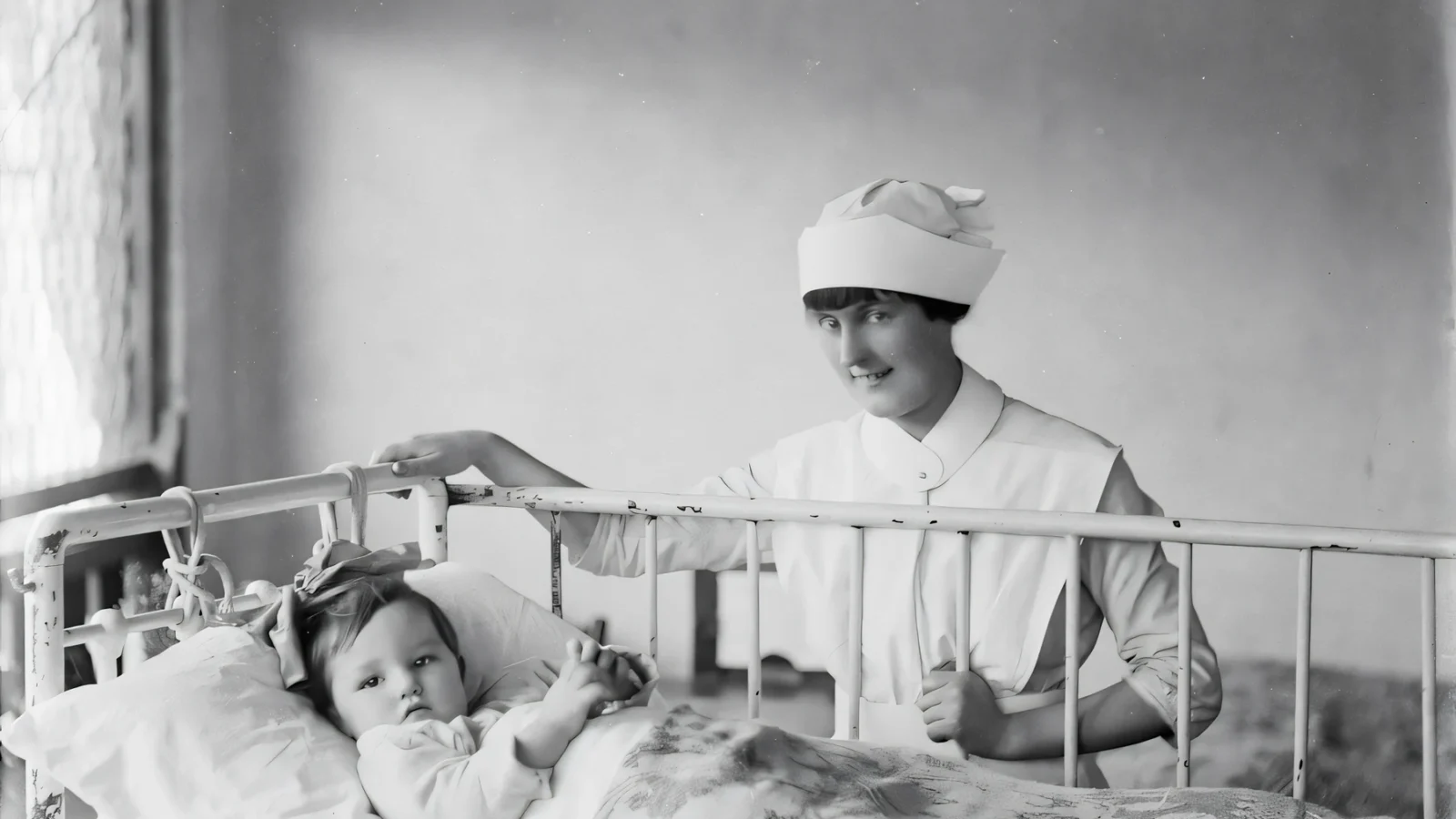
A child arrives at a clinic with fever and pain on urinating. Ten years ago, a doctor might have prescribed a standard oral antibiotic and sent the family home. Today, that same child increasingly faces a urine culture, a wait for lab results, and the possibility of stronger drugs delivered through a drip. The infection is the same, but the bacteria have changed.
The 2026 JAMA Pediatrics study makes the scale of that change impossible to ignore. Drawing on data from 106,581 children across 82 countries, it confirms that antimicrobial resistance has risen in every region measured. The burden falls heaviest on the youngest patients, those under two years old, and on children already in intensive care or fighting sepsis. Resource-limited settings see the worst outcomes, but no geography escapes the trend. The researchers project that by 2035, some last-line antibiotics, the drugs reserved for when everything else fails, will face further erosion in effectiveness.
Why a routine UTI now needs a laboratory
Urinary tract infections caused by E. coli illustrate the shift with particular clarity. This single pathogen triggers between 80 and 90 percent of childhood UTIs. For decades, trimethoprim-sulfamethoxazole or amoxicillin handled most cases without complication. Resistance rates to these first-line agents have climbed past 20 or 30 percent in multiple regions, high enough that doctors can no longer assume they will work.
The clinical response has transformed accordingly. Empiric treatment, prescribing based on symptoms and probability, now carries a meaningful risk of failure. Clinicians increasingly demand culture and susceptibility testing before committing to a drug. That delay, while medically prudent, extends discomfort and raises the chance of progression to kidney infection. When oral options fail, treatment escalates to intravenous ceftriaxone or, in severe cases, carbapenems, a class of antibiotics once held in reserve for hospital-acquired catastrophes. Hospital stays lengthen and costs accumulate. The infection itself has not become more virulent; the bacteria simply survive what once killed them.
Resistance lives in the bug, not the body
A common misunderstanding assigns blame poorly. Parents worry that their child has developed resistance, or that prior antibiotic courses somehow weakened the child’s system. Neither is true. Antimicrobial resistance is a property of bacterial populations, not human bodies. Random genetic mutations produce some organisms with defenses against particular drugs. Antibiotics clear the susceptible competitors and leave the resistant minority to reproduce. The child’s immune system did not fail, nor did the child’s physiology cause the adaptation. The bacteria evolved, as living things do under pressure.
Horizontal gene transfer accelerates the process. Bacteria swap resistance genes through plasmids, viral infection, or direct uptake of environmental DNA. A resistance mechanism developed in livestock bacteria can surface in human pathogens. The child’s body is the arena where this occurs, not the architect of the outcome.
The blame is wider than your medicine cabinet
Focusing on individual antibiotic prescriptions misses the machinery that drives resistance at scale. Agricultural use contributes substantially. Antibiotics administered to livestock for growth promotion or disease prevention create vast reservoirs of resistant organisms that enter food chains and water systems. Poor sanitation and weak infection control in healthcare facilities let resistant strains move between patients. Global travel and trade disperse them across continents within hours.
Environmental contamination adds another layer. Manufacturing waste, human and animal sewage containing drug residues, and improperly discarded antibiotics all maintain low-level selective pressure in soil and water. Meanwhile, the pipeline for new antibiotic classes has slowed to a trickle. The economic model for drug development favors chronic medications over short-course antibiotics, leaving the cupboard bare even as resistance grows. In many countries, antibiotics remain available without prescription, enabling self-medication that is often unnecessary, incorrectly dosed, or poorly targeted.
What 2035 looks like without a course correction
The JAMA Pediatrics projection for 2035 deserves attention beyond specialist journals. Last-line antibiotics are the final barrier against untreatable infection. As that barrier thins, routine medical procedures carry mounting risk. Surgery, chemotherapy, organ transplantation, and premature infant care all depend on reliable antibiotic prophylaxis. Remove that foundation and the edifice of modern medicine wobbles.
The economic consequences follow the clinical ones. Longer hospitalisation, more intensive interventions, and higher mortality compound into productivity losses and stretched health budgets. The World Bank and WHO have both warned of substantial global costs from unchecked resistance. The 2035 timeline is not distant. A child born today will not yet be a teenager when the projection arrives.
The medicine cabinet has not weakened. The organisms it was built to fight have spent decades learning. Understanding that distinction is the first step toward demanding systemic changes, agricultural reform, sanitation investment, and drug development incentives that might slow their education.