
You can buy an air purifier that strips pollen and particulates from a sealed room, but the thing most likely to damage your brain slips through the same closed window every morning before your alarm rings. A study published in JAMA Neurology in March 2024 tracked 3.1 million Danish adults and found that chronic road-traffic noise at home was associated with a higher risk of Parkinson’s disease. For every 11.5 decibel increase at a residence’s most exposed facade, risk climbed by roughly 3 percent. The quieter side of the same home showed a weaker but still detectable link, suggesting you cannot dodge the exposure simply by turning your bed around.
For decades we have filed traffic noise under irritants, the cost of living near a main artery. The Danish research recasts it as a physiological contaminant. Noise acts as a chronic stressor even during sleep, elevating cortisol and adrenaline and interfering with the glymphatic system that clears metabolic waste from the brain. Over years, sustained activation correlates with neurodegeneration, though the authors stress that their observational data cannot prove causation.
The decibel levels that change risk
The jump that increased Parkinson’s risk in the study was 11.5 decibels. To put that in context, a bedroom in a quiet suburb typically hums at around 30 decibels. A facade on a busy Johannesburg arterial during rush hour can hit 70 to 80 decibels. The World Health Organization recommends keeping indoor bedrooms below 30 decibels for proper sleep and outdoor night noise below 40. South Africa’s National Noise Control Regulations generally set residential night limits between 40 and 50 decibels, though municipal bylaws vary.
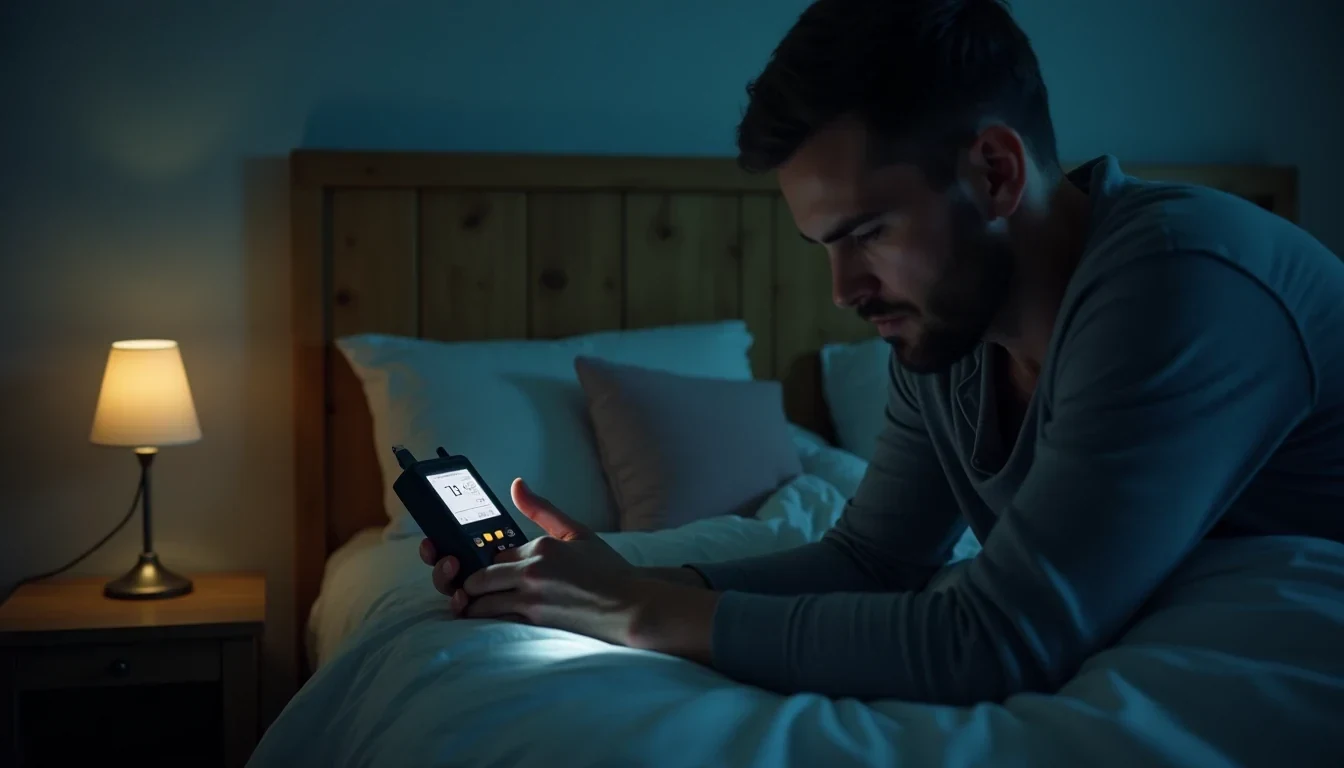
Most urban bedrooms breach those thresholds long before sunrise. Many people sleep through sound they have learned to ignore, but the body does not habituate. Smartphone apps like Decibel X or the NIOSH Sound Level Meter can give you a rough estimate. A basic calibrated meter costs between R300 and R1000 online. Place it on your bedside table at 4:00 a.m. and again at 6:00 a.m. when delivery trucks and early commuters start rolling. If your bedroom routinely exceeds 45 decibels before dawn, you are breathing clean filtered air while your nervous system absorbs a pollutant the purifier cannot touch.
How sound becomes a neurological stressor
Researchers are still tracing the exact pathway, but the leading explanation starts with stress. Unwanted sound triggers the sympathetic nervous system, the same fight-or-flight network that responds to physical threats. During sleep, even noise too low to wake you can prompt micro-arousals, brief spikes in heart rate and cortisol release that fragment rest without pulling you into consciousness.
Over time, that hormonal load generates systemic inflammation and oxidative stress, both of which damage neurons. Sleep disruption also impairs the glymphatic system, the brain’s nocturnal waste-removal service that flushes misfolded proteins such as alpha-synuclein, the same substance that accumulates in Parkinson’s disease. The Danish study cannot say noise causes Parkinson’s directly, but it fits a growing pattern: chronic environmental stressors erode neurological health through persistent, low-grade physiological assault.
What you can do about it
Complete silence is not an option for most people, but meaningful reduction is. Upgrading from single to double glazing is the most effective structural fix, though it is not cheap. A faster return comes from sealing gaps around windows and doors with weatherstripping or acoustic sealant, because a 5-millimetre crack can nullify an expensive pane of glass. Heavy curtains or blackout blinds add another layer of absorption. Placing bookshelves or wardrobes against external walls helps block road-facing sound.
Inside, replace hard echoes with soft surfaces. Thick rugs, upholstered furniture, and wall hangings absorb the noise that does enter, preventing it from bouncing around the room. Outside, a solid boundary wall or dense hedge along the roadside deflects some traffic rumble before it reaches the facade.
If structural fixes are out of reach, a white noise machine can mask sporadic peaks, though it adds sound rather than removing it. The more honest solution is to measure your exposure and treat it with the same urgency as particulate pollution. You would not run an air purifier with the window wide open. Yet every morning, thousands of bedrooms let in a pollutant that no filter catches, and we have only recently begun to count the neurological cost.