
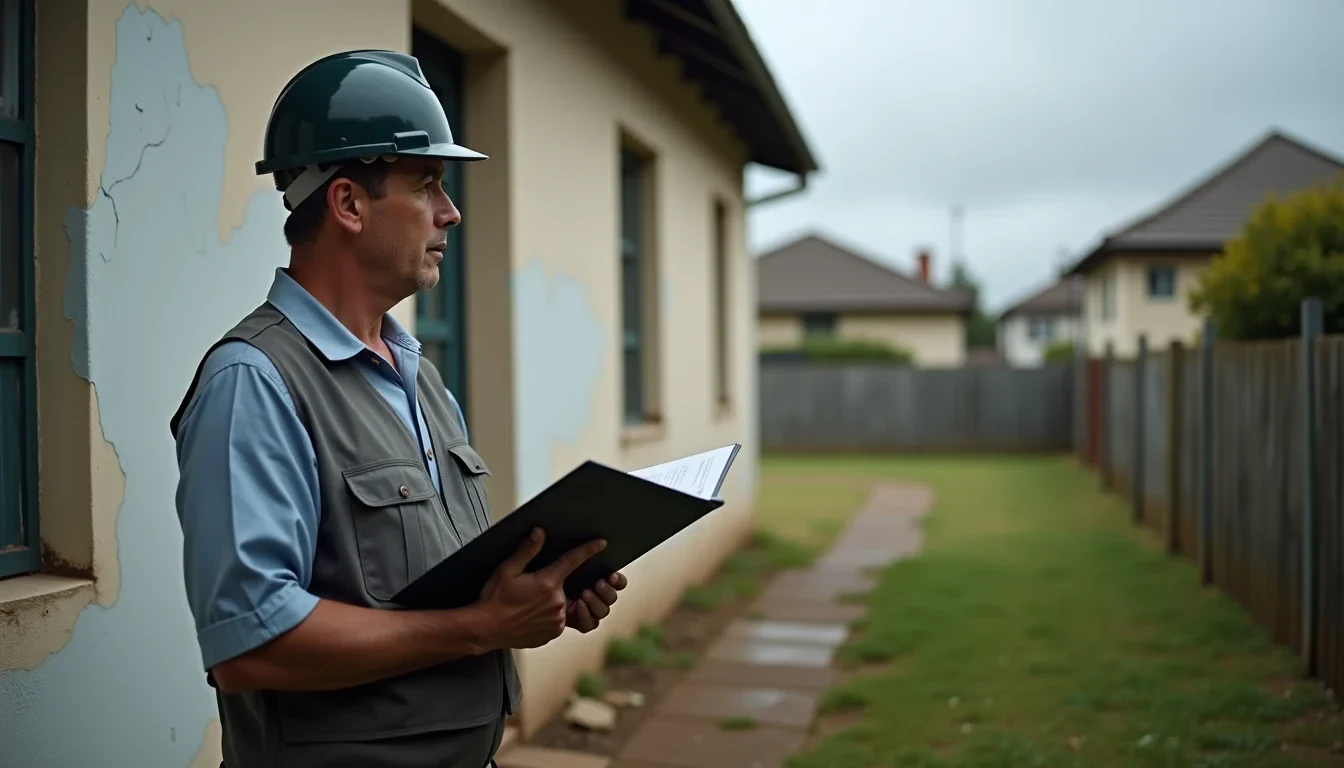
The state pays to keep 6,238 homes on the books, but only 108 of them have proper spending records. This is not a housing policy; it is a paperwork failure with a maintenance bill attached.
Public Works and Infrastructure Minister Dean Macpherson has ordered a full review of the portfolio. The direction is clear: if a house does not serve a clear government purpose, it should be sold. For a department tasked with managing public assets, this is a brutal but sensible test.
The portfolio looks bloated
The numbers are telling. Nearly R40 million went into maintaining government-owned residential properties in the 2025/26 financial year, yet detailed expenditure records exist for just 108 homes. The rest remain in a fog of ownership, occupancy, and cost.
This alone justifies the audit. A state that cannot trace spending on 6,130 properties cannot pretend the portfolio is under control. Macpherson has instructed the department’s Director-General to investigate who lives in each property, which department owns it, whether occupants qualify for official housing, whether the rent charged is fair, and whether relevant laws and Treasury rules were followed.
The central question is simple: Why does the state own thousands of residential properties for officials when many of those officials already receive housing allowances or other benefits?
There is no elegant answer. Either the homes are needed for a specific operational purpose, or they are dead capital with a government label.
KwaZulu-Natal is the pressure point
The largest block of properties is in KwaZulu-Natal, with 3,626 homes. This is nearly 58% of the national total, making the province the obvious place where the audit will either prove its case or expose the system’s disarray.
The rest of the portfolio is spread across the country in smaller clusters. The Western Cape has 566 properties, and Gauteng has 407. The remaining 1,639 are spread across the other provinces.
This distribution matters because property sales affect markets differently. A tranche of disposals in one province can create a very different price and liquidity effect compared to a scattered national sell-off. KZN is the one to watch. If the department concludes that even a fraction of those 3,626 homes have no operational reason to remain in state hands, the market there will feel it first.
The likely buyers are not mysterious. Estate agents, valuers, auctioneers, conveyancers, insurers, builders, and renovation contractors all stand to get busier if the state starts moving stock at scale. A government property sale program creates a pipeline for transactions.
The audit is really about asset discipline
Macpherson’s position is plain. The state should not keep residential properties idle or semi-occupied simply because they have always been there. If a home does not serve a legitimate government purpose, it should be sold.
This cuts through a familiar South African habit of treating state ownership as inherently good. It is not. Ownership carries costs, administrative drag, and political risk. When a property portfolio cannot show who is in residence, what rent is being paid, or whether the occupant should be there at all, ownership starts to look like hoarding.
There is also a harder budget argument. Every rand spent maintaining unnecessary houses is a rand that does not go into roads, clinics, water systems, or service delivery backlogs. The department’s stated aim is to free up money for infrastructure and better delivery, which is the correct approach if the state is serious about rebuilding credibility around spending.
The 30-day deadline sharpens the whole exercise. This is not an endless review. A full report is due within a month, and the KZN portfolio is set for a detailed examination as part of that process.
What a sale wave would change
If the department moves from audit to disposal, the effects will be uneven but real. Properties sold in clusters could soften prices in certain neighborhoods, especially where state-owned housing is concentrated. In other areas, the market may absorb the stock with little drama.
The commercial opportunity is more straightforward. A large public asset sell-down creates work. Legal firms handle transfers. Auctioneers move stock. Valuers and agents price it. Builders and suppliers pick up the renovation spend once the homes move into private hands.
There is also a signal for investors and operators who watch public assets as a marker of policy seriousness. A state prepared to sell underused homes is a state that at least acknowledges the cost of carrying idle property. This does not solve governance on its own, but it shows a shift from holding everything indefinitely to asking what each asset is actually for.
The real test is follow-through
The cleanest outcome is not just selling homes. It is building a record that explains why each property is kept, why each occupant is there, what each lease or charge looks like, and where the money goes. Without that, the same mess will simply reappear under a different audit.
For now, the signal is clear. Government property is being treated less like a comfort blanket and more like a balance sheet item that has to earn its keep. This is overdue.
Whether the state should sell unnecessary houses or keep them for official use now depends on whether anyone can make a serious case for retention. If they cannot, the sale should happen.