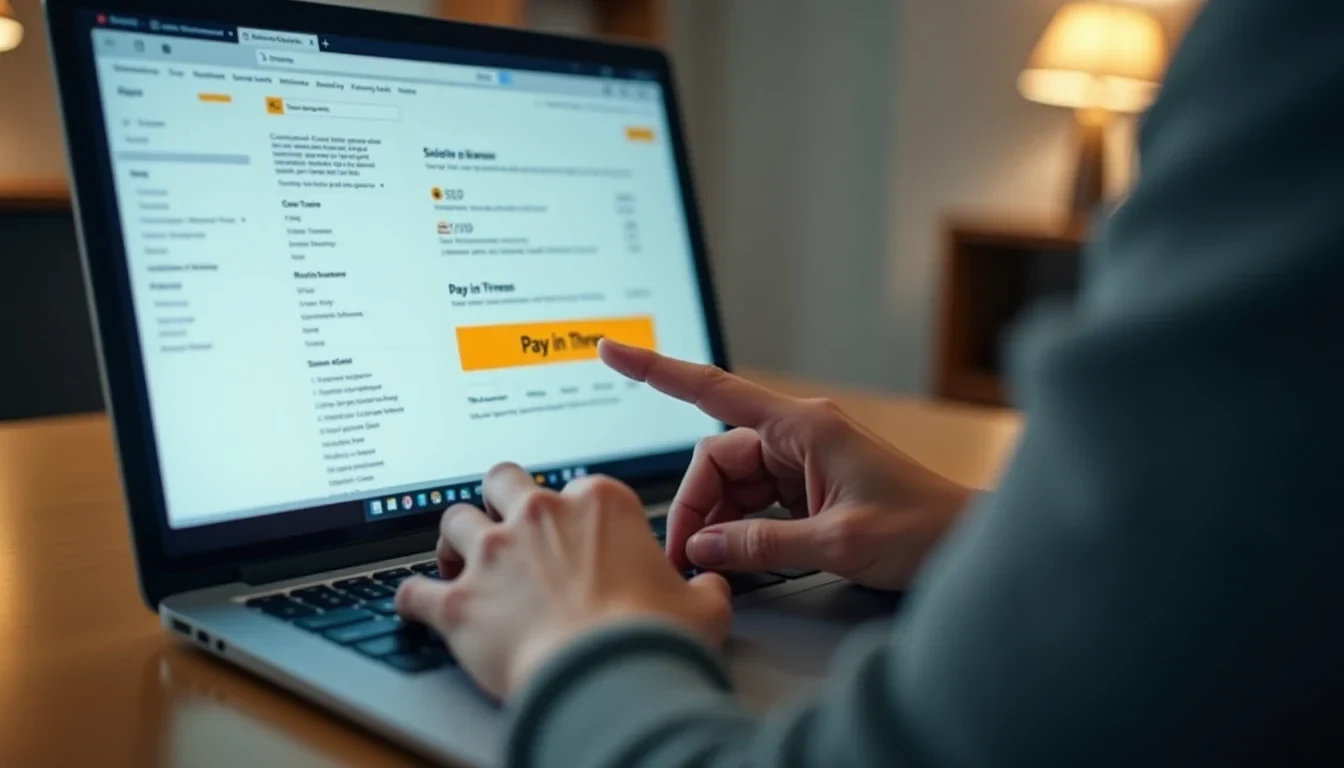
The checkout page made the debt look tiny. “Pay in three” only works because the design makes borrowing look like a button, not a loan.
From 15 July 2026, the UK’s Financial Conduct Authority stopped pretending otherwise. Buy Now, Pay Later agreements that had sat outside the main consumer credit rules were pulled into the Consumer Credit Act 1974, affecting about 11 million users. The label changed. The risk had not.
The language did the hiding
BNPL’s real trick was never the instalment plan. It was the vocabulary. “Split it”, “pay in three”, “no interest”, “easy payments”. All of that sounded lighter than borrowing because it was designed to sound lighter than borrowing.
People clicked through it with less hesitation than they would have shown before a credit card application. A card feels like a financial product. A “pay in three” toggle feels like a choice about timing. Same debt, different typography.
The friendly wording also blurred an important distinction. If you pay on time, many of these plans do not charge interest. This does not make them non-debt. It just means the price of borrowing is hidden in a different place, usually in late fees, default charges, or the simple fact that missing a payment can now follow you around. “No interest” was always a useful slogan. It was never a full description.
July 2026 changed the paperwork, not the reality
The FCA’s new rules apply from 15 July 2026. Under them, previously unregulated BNPL products move under the same basic consumer protection framework that already governs ordinary credit. Providers need FCA authorisation. They also have to give clearer information before someone signs up, rather than burying the important bits in checkout copy that nobody reads until something goes wrong.
They must also carry out proportionate affordability checks. This phrase acts as a constraint. A lender cannot keep acting as though a three-instalment purchase is too tiny to investigate. If money is being borrowed, even briefly, the provider has to make a judgement about whether repayment is realistic.
The point is not to turn a quick checkout into a mortgage application. It is to stop pretending there is no lending happening at all. A small debt is still debt, especially when it is extended at speed and with a minimum of friction.
Credit files will no longer stay politely out of it
The biggest practical change for consumers is likely to be visibility. Under the old arrangement, many BNPL agreements vanished from credit records unless the account went bad. This made the borrowing look weightless. It also meant responsible use did not help build credit history.
The new regime moves in a more conventional direction. On-time payments can be reported. Missed payments can be reported too. BNPL starts acting like the rest of credit, where good behaviour can help and bad behaviour can hurt.
For someone trying to build a record for a mortgage, car finance, or even a basic credit card, this cuts both ways. A neat repayment history may help. A few careless clicks during a month when cash is tight may make later borrowing harder. The old illusion was that BNPL sat outside the system. The new rules make it part of the system, which is much less convenient and much more honest.
If it goes wrong, the safety net gets wider
The FCA also wants BNPL providers to do more when customers run into trouble. This means support for people in financial difficulty, not just collections messages and a shrug. Firms are expected to identify distress, offer appropriate forbearance, and point people towards debt advice when needed.
This is the standard treatment ordinary lenders have lived with for years. It is not glamorous, but it is the difference between a repayment problem being managed and being weaponised.
Consumers also gain a route to the Financial Ombudsman Service if a complaint is not resolved properly by the provider. This sounds procedural, and it is. It is also what happened when BNPL was allowed to behave like a loophole instead of a loan. Once a product moves in the world like credit, it should be answerable like credit.
The checkout button was never innocent
The real story here is that BNPL was always debt, and the new law finally made the industry stop disguising it as a budgeting trick.
The regulatory shift lands with such force because it does not create a new category. It closes a gap between language and reality. When a service lets you take goods home now and pay later, it has already given you credit, no matter how many soft words it uses to describe the arrangement.
For consumers, the useful move is to treat BNPL like any other loan before you tap through it. Check whether the provider shows the debt on your credit file, mark the date when the first missed payment turns into a fee, and add each instalment to the same monthly list as rent, phone, and transport. If the payment only works because next month’s cash is doing the heavy lifting, it is not a neat workaround. It is a future problem with good lighting.